

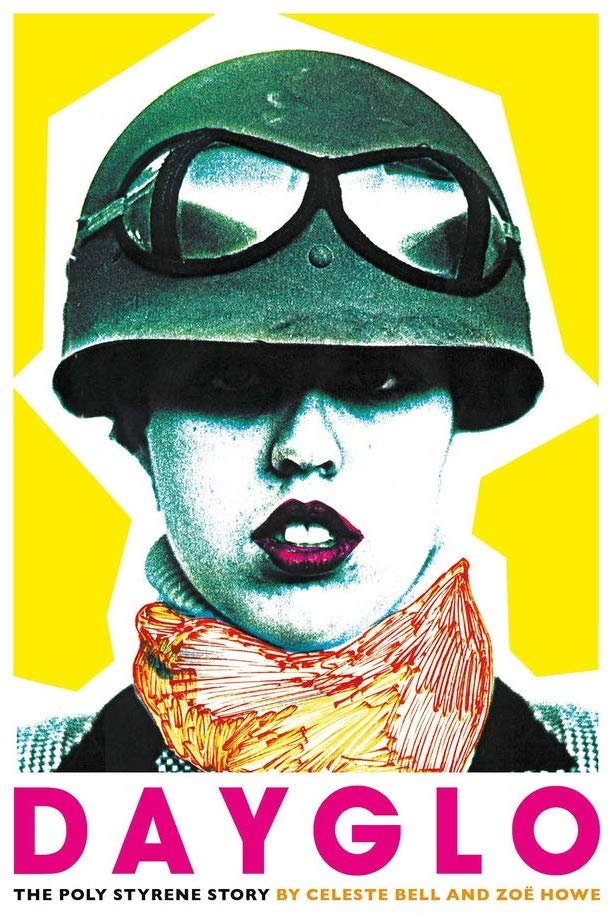
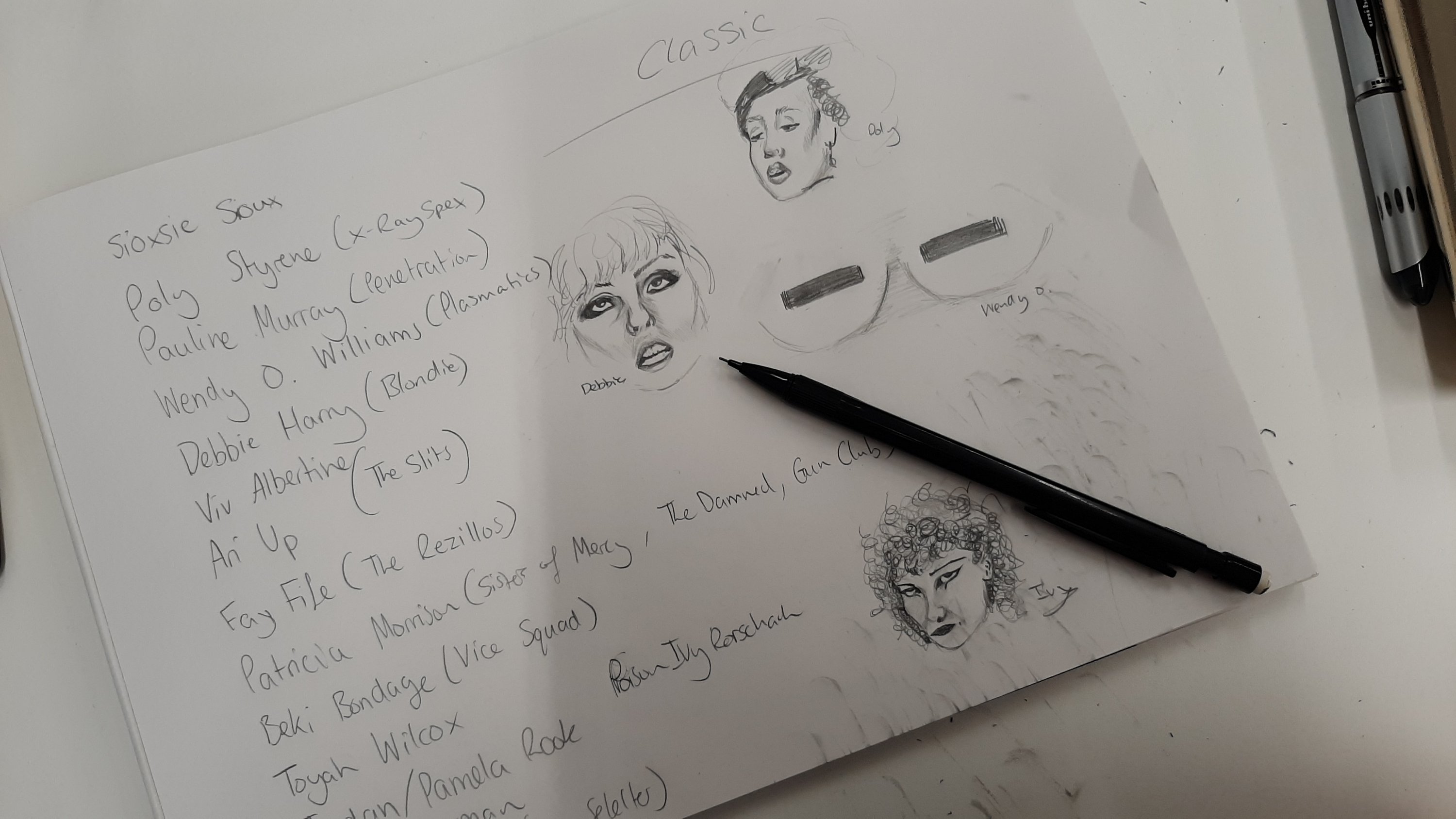
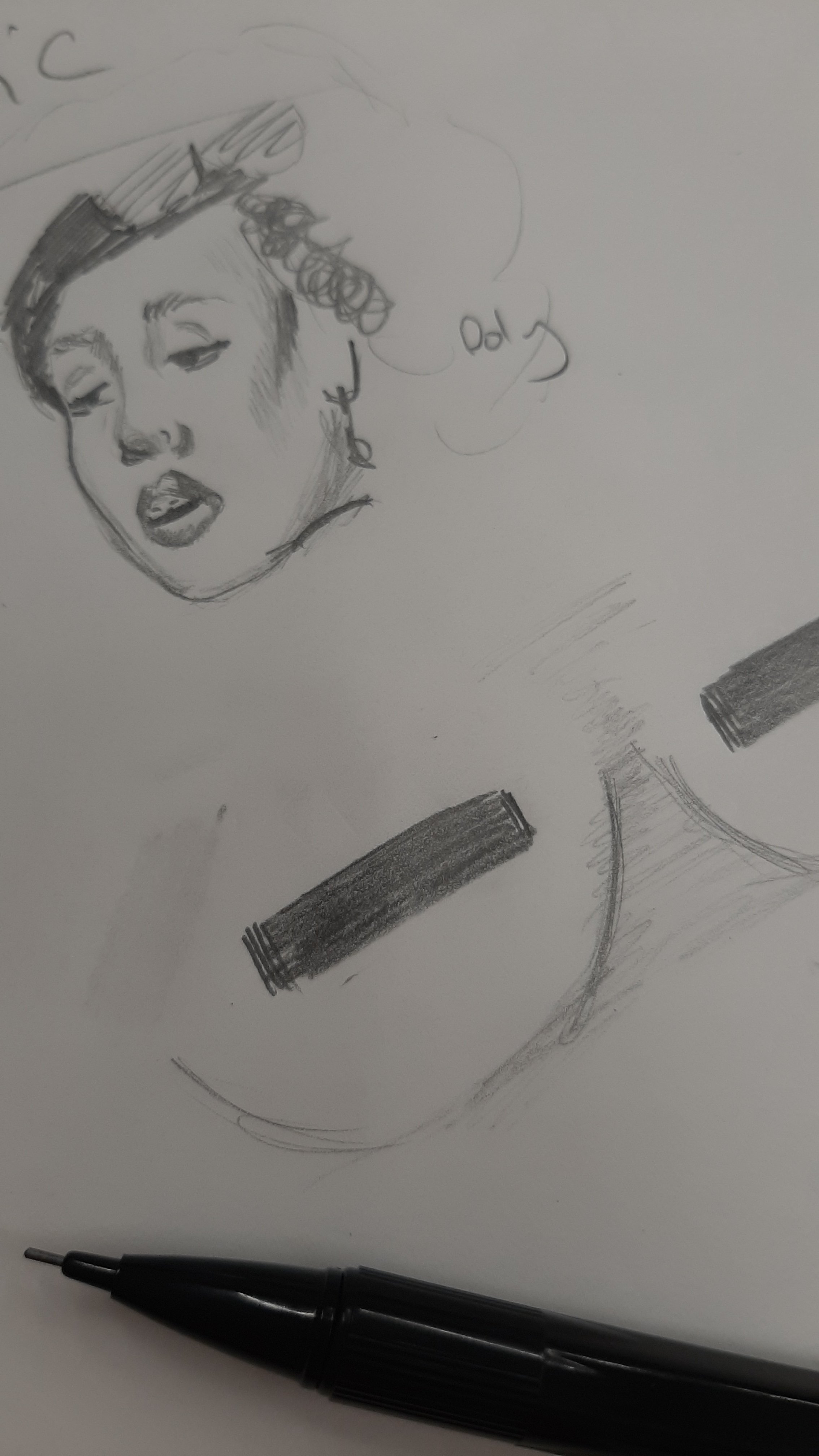
I have just read this celebratory article which talks about the new biography (Dayglo: The Poly Styrene Story) for X-Ray Spex frontwoman Poly Styrene. I found the article interesting, not just for briefly looking over her life and the new book, but to think about her as an icon and inspiration for both myself and other young females.
On reflection Poly Styrene was a highly commended musician in the 1970s when punk was on it’s high. Although her band X-Ray Spex’s first 1977 album Germ Free Adolescents and corresponding singles sold well and their live performances extremely popular, they were quickly forgotten as they disbanded in 1979, as time passed and the first wave of the punk revolution was over.
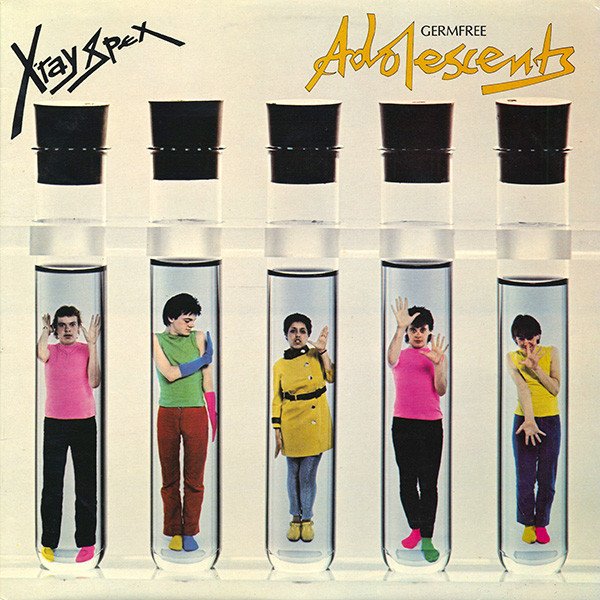
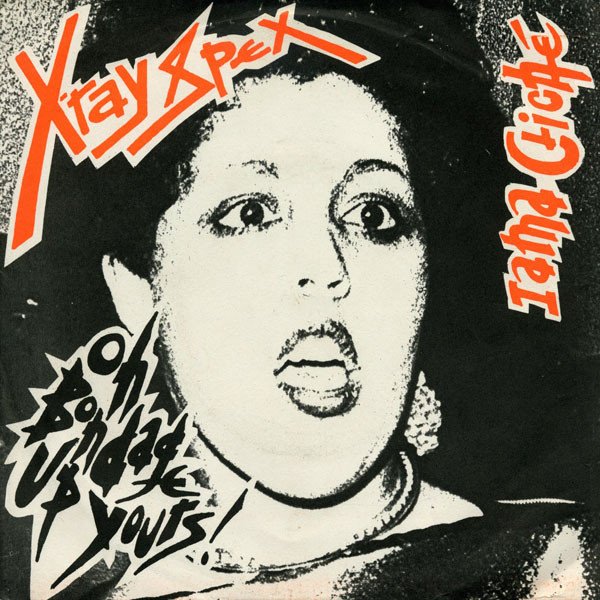
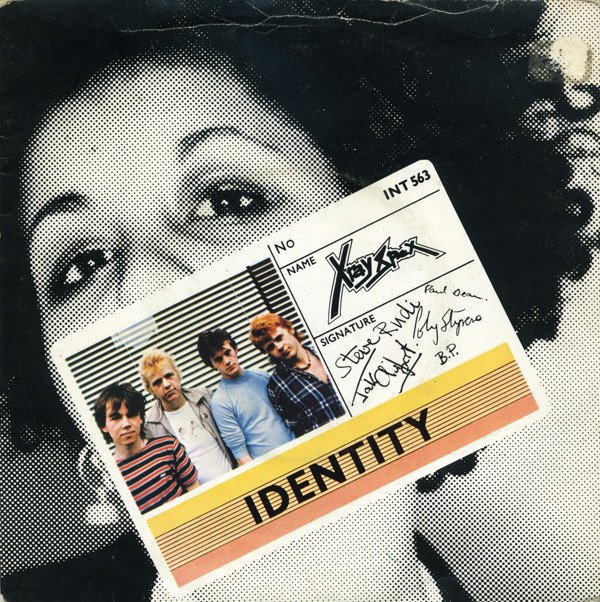
X-Ray Spex only ever released 2 albums (the second in 1995) but the first one was from that important time period, hence why it was/is so important to many punks – especially female punks. Poly and X-Ray Spex, however, now have a cult following going into the 21st century and are seen as one of the leading punk bands of the late 70s.
As this article states, Poly was an integral part of the punk scene, being a woman and a woman of colour, she brought life to the otherwise white male dominated scene.
“A woman of color, Styrene was known for her stirring voice and prescient songwriting amid the white male-dominated genre of punk. Along with other British female-fronted punk groups such as the Slits and the Raincoats from her era, Styrene paved the way for future generations of women rockers, including the 1990s Riot Grrrl movement in America.”
Poly Styrene has influenced many female musicians, possibly without their realisation.
Poly’s been a huge inspiration for myself all throughout my teenage years and even now into my young adult period of my life, as she never truly dressed or acted stereotypically “punk” – she wore and did whatever she liked! She was just always herself and for that she genuinely holds the true punk spirit. Mixing up the clothes of conformist and non conformist, totally added an edge to her that was sometimes lost with the other women in the scene.
“Although she achieved popularity during punk, Styrene never really identified with that movement but rather saw it as a vehicle to express her ideas. “She was very much a hippie at heart,” says Bell. “She liked the energy of punk but could never subscribe to the nihilism within it, she was to the last a dreamer and an optimist.”
As I had stated, Styrene was never the “punk” conformist the other members of the scene sometimes were.
The new book, Dayglo: The Poly Styrene Story, will look into Poly Styrene’s life, her involvement with the punk rock movement and her later years. The book has been co-written by Zoë Howe and Styrene’s daughter Celeste Bell.
Styrene, whose real name was Marianne Joan Elliott-Said, died at the age of 53 in 2011 from cancer. Almost a decade later, her life has now been chronicled in a recently-published book, Dayglo: The Poly Styrene Story, co-written by Styrene’s daughter Celeste Bell and Zoë Howe. This oral biography draws from archival interviews with Styrene augmented by recent reminisces from X-Ray Spex’s Paul Dean and Lora Logic; the Raincoats’ Gina Birch and Ana da Silva; the Slits’ Tessa Pollitt; Sonic Youth’s Thurston Moore; and others. “I was surprised mainly by the people I had never met myself,” says Bell, “but whose lives had been so deeply affected by my mother and her work. Hearing these stories was rewarding, to say the least.”
 Thoughts of a designer